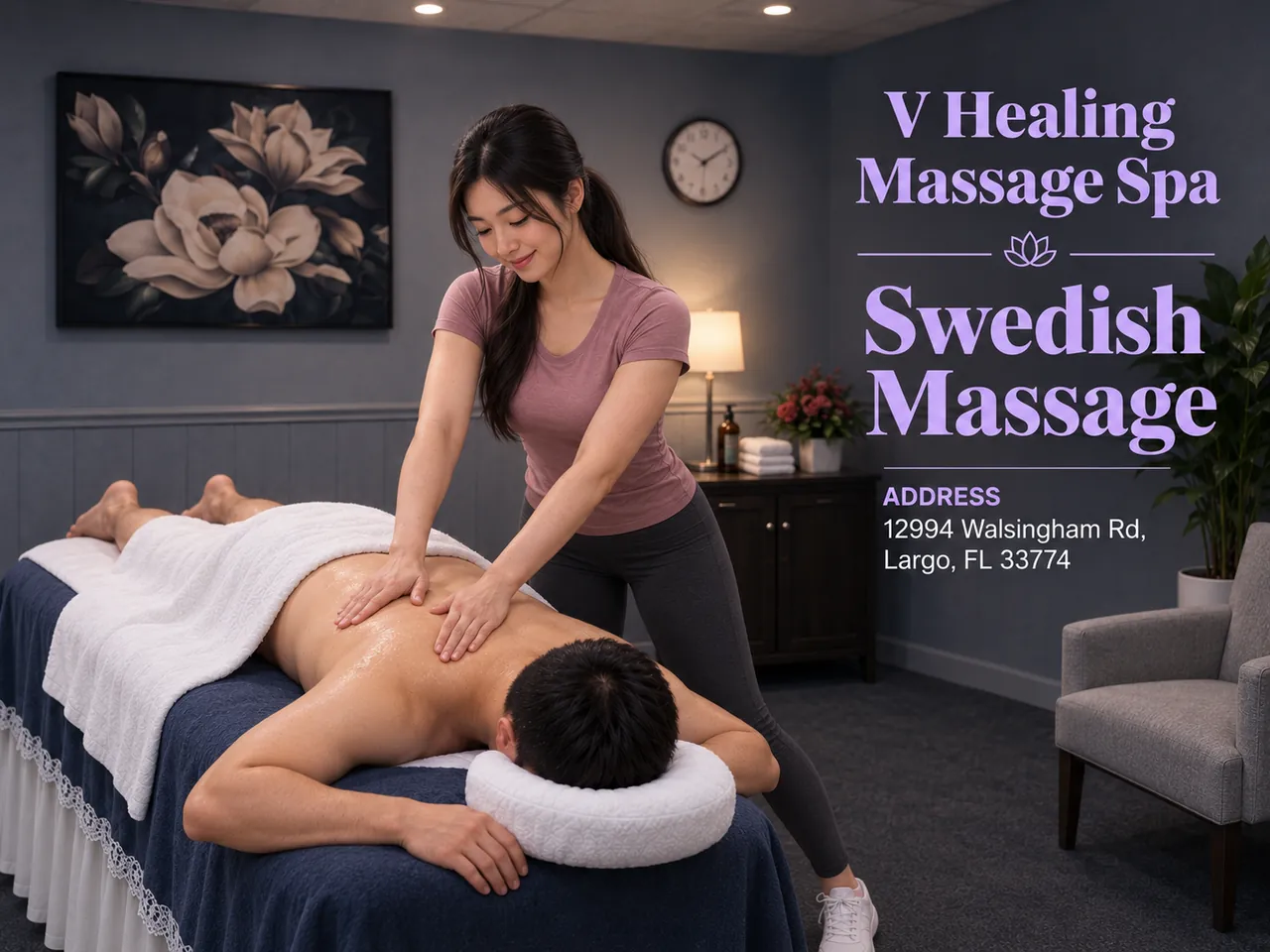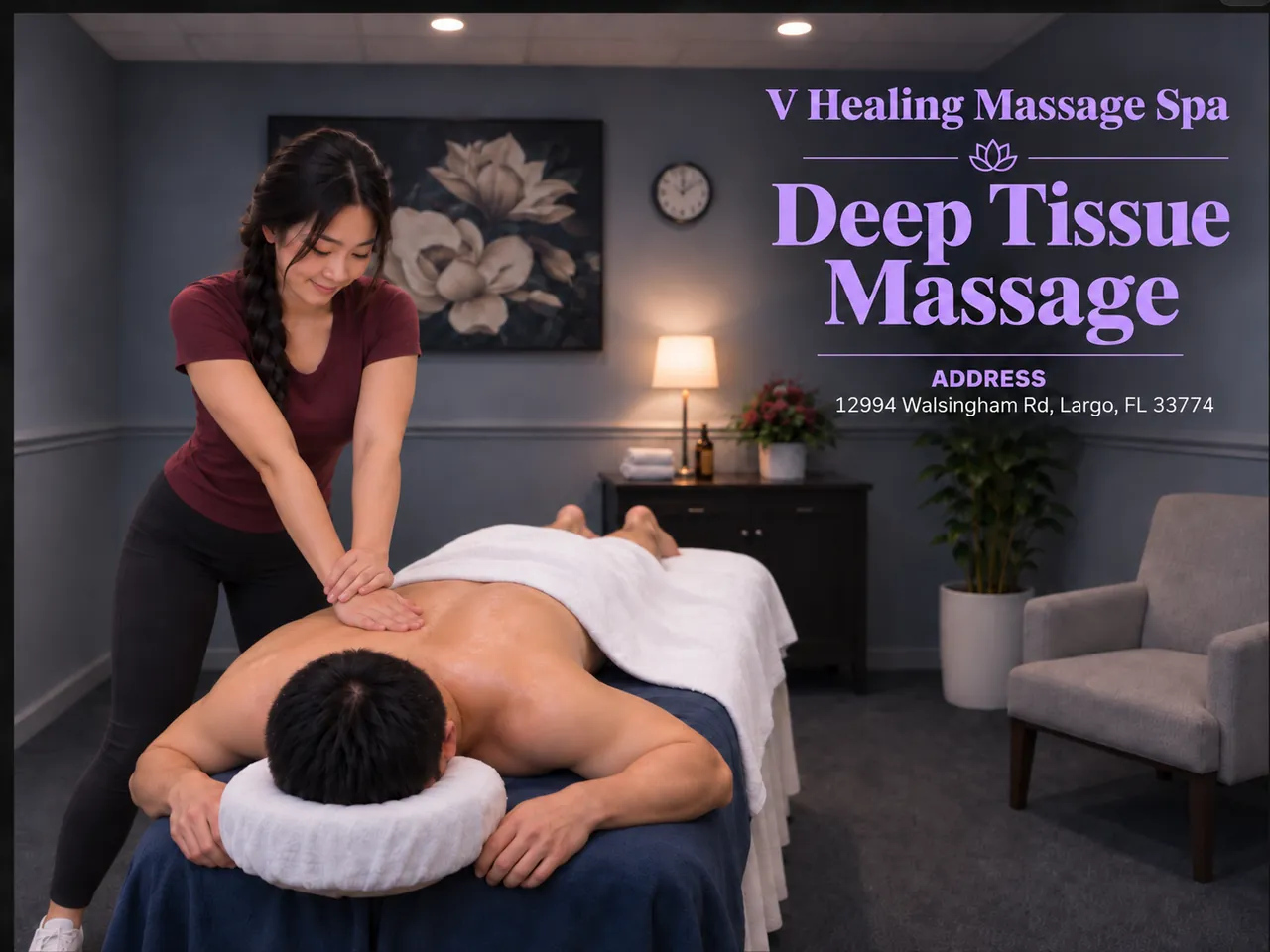
If you have ever stood at a spa front desk staring at the menu, wondering whether to pick "Swedish" or "deep tissue," you are not alone. The names sound technical, the descriptions blur together, and most guests just want the answer: which one feels better for me, today? This guide is here to make that choice quick and painless.
The Short Version
Swedish massage is light to medium pressure, slow flowing strokes, focused on full-body relaxation. Deep tissue is firmer pressure, slower targeted work, focused on chronic tight spots. If you want to feel calm and float home, choose Swedish. If you have specific knots that will not quit, choose deep tissue.
How They Feel
A Swedish massage feels like being slowly poured into the table. The therapist uses long, gliding strokes that warm the muscles, gentle kneading that loosens up surface tension, and a steady rhythm that quiets the nervous system. You may drift in and out of half-sleep. By the end, you feel light, calm, and a little foggy in the best way.
A deep tissue massage feels different from the start. The therapist still warms you up with broader strokes, but soon they are leaning in with their forearm, knuckles, or thumbs into a specific area. There is a "good ache" sensation when they hold pressure on a knot. It is intense but not sharp; you stay relaxed, breathe through it, and feel the spot release after a moment.
Who Should Pick Swedish?
- It is your first professional massage and you do not know what to expect
- You have had a stressful week and just want to feel calm
- Light to medium pressure has always been your preference
- You sleep poorly and want help winding down
- You want to fall asleep on the table — totally fine, by the way
Who Should Pick Deep Tissue?
- You sit at a desk and your shoulders feel like rocks by Friday
- You drive long hours and your lower back stays tight
- You exercise hard — running, lifting, weekend hiking
- You have had Swedish massages before and felt they were not quite enough
- You like the "good ache" feeling of firm pressure
The label on the menu is a starting point, not a contract. Once you are on the table, you can ask for more pressure on the back and lighter on the legs — a good therapist would much rather you speak up.
Pressure Is a Conversation
Here is the thing nobody tells you: you can switch from "deep tissue" to "Swedish" halfway through if it is too intense, or ask for firmer work on your back while keeping your legs light. Speak up at any point during the session — your comfort always comes first, and the therapist welcomes the feedback. Both styles use the same table, the same oil, and often the same therapist; only the pressure and pace differ.
The Honest Recommendation
If you cannot decide: try Swedish first. It is gentler, more universally pleasant, and a great baseline. If you finish and think "that was nice but I wanted them to dig in more," then book deep tissue next time. Most regulars at our Largo spa alternate, and both styles are the same flat rate. Walk in any day between 9 AM and 10 PM, or call 727-307-1699.
When to Pick Swedish: Specific Scenarios
Swedish is the right pick in five common scenarios. Your first massage ever — Swedish is the gentlest entry and has almost no risk of post-session soreness. Pure stress relief is your goal, with no specific tight-muscle issue. You want to avoid post-session tenderness — Swedish almost never produces it. You are recovering from illness or feeling generally rundown. You want the most relaxing date-night couple session, since both partners can fully unwind. Many of our Largo regulars start every visit with a default Swedish unless something specific is wrong, then upgrade to deep tissue only when there is a particular tension issue to address.
When to Pick Deep Tissue: Specific Scenarios
Deep tissue is the right pick when you have chronic tightness in specific zones — desk-job upper-trap and neck tension, driver's lower-back compression, runner's tight hamstrings — or for post-athletic recovery from heavy training cycles, or when you have tried Swedish and felt the pressure was not enough. Deep tissue is not the right call if you bruise easily, are on blood thinners, are pregnant, are recovering from recent surgery, or simply do not enjoy intense pressure. For those situations Swedish or combination work with adjusted pressure works better. Deep tissue should feel intense but not unbearable — if you find yourself holding your breath, ask for a lighter touch immediately. Have questions about which fits your situation? Chat with us on the bottom right →
Combining Both Styles in a Sustainable Routine
The most common pattern among our long-term Largo regulars is to alternate styles based on what the body needs each visit. A typical month might include two Swedish sessions for general weekly maintenance and one deep tissue session for targeted release of any chronic tight spots. During heavy training or high-stress windows, the ratio shifts toward more deep tissue. During calm periods, more Swedish. The flexibility of switching style visit to visit at the same flat rate is part of why this model works so well for long-term routines — you do not lock into one style for the whole year.