
📞 727-307-2164 🕒 9 AM – 10 PM, Open 7 Days 📍 12994 Walsingham Rd, Largo, FL
Walk-Ins Welcome

Deep Tissue Massage in Largo, FL

Firmer pressure for tight shoulders, lower back stiffness, and stubborn knots. Deep tissue massage is the answer when a regular massage isn't quite enough.
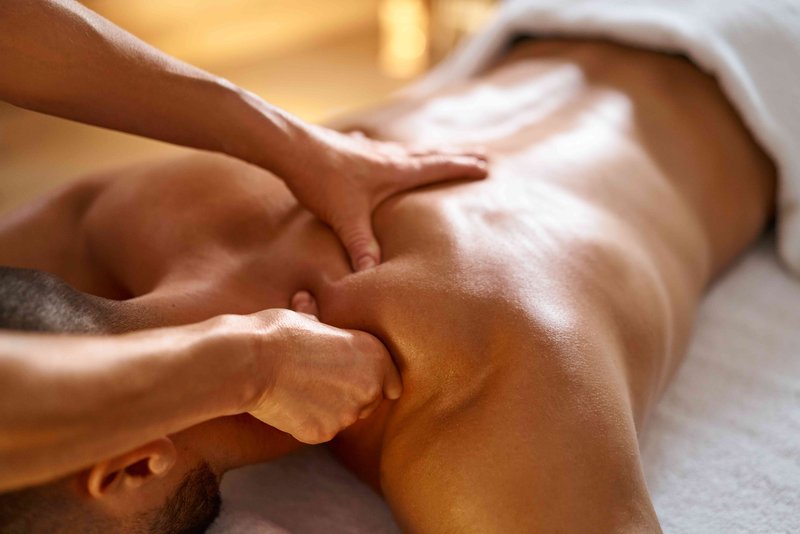
Deep Tissue Massage in Largo, FL at 12994 Massage SPA

What Is Deep Tissue Massage?

Deep tissue massage uses firmer pressure and slower strokes to reach the layers of muscle below the surface. It's especially good for stubborn knots, chronic shoulder tension, lower back stiffness, and tightness that comes from sitting at a desk all day. Unlike a Swedish massage, where the goal is whole-body relaxation, a deep tissue session focuses more sharply — the therapist may spend extra minutes on one tight area to help it release.

The pressure feels firm but should never be unbearable. There's a difference between "good pain" — the kind that signals tension melting — and sharp, breath-holding pain. We always work within your tolerance.

Deep tissue massage works on the deeper layers of muscle and connective tissue, and is one of the most-requested treatments for desk workers and people with chronic tightness.

Who Is Deep Tissue For?

This is the right session if your shoulders feel like rocks, your neck stays sore by Friday, or your lower back tightens up after long workdays. Deep tissue is also a regular favorite for people who exercise hard.

  • Office workers with chronic neck and shoulder tension
  • Drivers and people who sit for long hours
  • Active adults — runners, lifters, weekend hikers
  • Anyone with stubborn knots or recurring tightness
  • Guests who already enjoy firmer pressure

What to Expect

The session starts the same way as a relaxation massage — a quiet check-in about where you feel tight and how much pressure you'd like. Once on the table, the therapist warms up the muscles with broader strokes before pressing into specific spots. Stay relaxed, breathe slowly through tight areas, and keep talking to your therapist about pressure.

It's normal to feel a little tender the next day, similar to after a workout. That tenderness usually fades within 24 to 48 hours and leaves the area feeling looser than it did before.

Tips Before Your Session

Don't eat a heavy meal in the hour before your massage. Drink water beforehand and after. Wear something comfortable — you'll feel relaxed and a bit sleepy. If you're nervous about pressure, ask for "medium-firm" first; you can always go deeper as your body warms up.

Quick Facts

Deep Tissue Massage in Largo, FL at a Glance

30 Minutes
$50

Quick, focused session

60 Minutes
$70

Full hour, head-to-toe

Frequently Asked

Common Questions

Will deep tissue massage hurt?
Deep tissue should feel firm and intense in tight areas, but never sharp or unbearable. The right pressure feels like a deep, satisfying ache that releases as the therapist holds it. If anything feels too painful, tell your therapist immediately — pressure should always stay within your tolerance. A small amount of next-day tenderness, similar to after a workout, is normal. Drinking water and gentle stretching helps the area feel even looser, and the soreness typically fades within 24 to 48 hours.
How is it different from Swedish massage?
Swedish massage uses light to medium pressure and long flowing strokes for whole-body relaxation. Deep tissue uses firmer pressure, slower strokes, and focuses more on specific tight areas. Swedish is great for general relaxation and stress; deep tissue is better for chronic knots, desk-related tension, and stubborn tightness. Many guests alternate between the two depending on the week. Both styles use the same massage table, the same oil, and often the same therapist — only the pressure and pace differ.
How often should I get a deep tissue massage?
It depends on what your body needs. For maintenance, once or twice a month works well for most people. If you're dealing with a specific tight area or recovering from heavy training, weekly sessions for two or three weeks can help break up the tension faster. Listen to your body — when tightness creeps back, it's time to come in. The most important factor is consistency over intensity. One session every month, every month, will do more for you than four sessions in January and nothing else.
Should I drink water after?
Yes — drink water before and after your session. Massage helps move fluid through the muscles and tissue, and good hydration supports that process. A glass of water before, and one or two more in the hours after, is plenty. You don't need to overdo it. Avoid heavy alcohol the same evening, since it can leave you feeling more sluggish than usual. Pair your massage with daily habits like gentle stretching for the best long-term results — the combination compounds over weeks.
Is deep tissue safe for everyone?
Most healthy adults do well with deep tissue massage. If you have a recent injury, blood-thinning medication, severe high blood pressure, or any serious medical condition, please check with your doctor first. Pregnant guests should choose a specialized therapist instead. When you arrive, share any health concerns on the intake card so the therapist can adjust pressure safely. If you have any specific health conditions or recent injuries, mention them on the intake card so the therapist can adjust pressure and technique accordingly.
Will deep tissue leave bruises?
Mild bruising can happen but is uncommon at our pressure level. We work firm but not aggressive. Bruising is more likely if you bruise easily generally, are on blood thinners, or request very heavy pressure on bony zones. If you notice bruising after a session, it usually fades within 3 to 5 days. Mention any blood thinners or bruising sensitivity at check-in and the therapist will adjust pressure accordingly.
Is deep tissue safe for older guests?
Yes, with appropriate pressure adjustments. Many of our Largo and Belleair retirees come in for deep tissue specifically — chronic tension from years of activity does not just disappear with age. The therapist adjusts pressure based on your build, age, and any conditions you mention at check-in. Common adjustments: lighter pressure on the spine and bony areas, more focus on the broad muscle groups (back, hips, hamstrings), longer warm-up time before deeper work.
Should I tell the therapist about previous injuries?
Always. Mention any surgeries, fractures, joint replacements, recent injuries, herniated discs, or chronic conditions like fibromyalgia at check-in. The therapist will adjust pressure and avoid affected areas as needed. For example, post-shoulder-surgery guests usually need lighter work around the surgical site for the first 6 to 8 weeks of recovery, and we are happy to focus elsewhere on the body.
Can deep tissue help with sciatica or lower back pain?
Deep tissue can provide significant temporary relief for muscle-related lower back pain, especially when the cause is glute, piriformis, or QL muscle tension. For sciatica specifically — nerve compression, often from a disc issue — massage may not address the underlying cause but can ease the secondary muscle guarding. For chronic or severe lower back pain, please consult a medical professional first; we provide relaxation and recovery massage, not medical diagnosis or treatment.
Deep Tissue Detail

Everything Worth Knowing

Quick answer: Deep tissue at 12994 Massage SPA uses slow firm pressure to release chronic muscle knots in the back, neck, shoulders, and lower back. 30 or 60 minutes, $50 / $70 flat. Walk in any day from 9 AM to 10 PM at 12994 Walsingham Rd, Largo, FL.

How Deep Tissue Differs from Swedish

Where Swedish uses long flowing strokes at light to medium pressure, deep tissue slows everything down and goes harder. The therapist works in smaller, more focused zones — typically a 6-inch by 6-inch area at a time — with sustained pressure that stays in one spot until the muscle releases. The goal is not relaxation per se; it is releasing the layer of chronic tension underneath the surface muscle. Sessions feel more intense in the moment and often produce 24 to 48 hours of mild post-session soreness, similar to a moderate workout. By day three you usually feel significantly looser than before.

Who Comes in for Deep Tissue Most Often

About 30 percent of our walk-ins choose deep tissue — typically people with a specific issue rather than general relaxation goals. Office workers from the Seminole Blvd business corridor and the Belcher Rd Clearwater commute come in for chronic neck and upper trap tension from desk work and driving. Belleair Country Club golfers come in after rounds with swing-side shoulder, lower back, and forearm tightness. US-19 corridor commuters from Pinellas Park drive long distances and typically have lower back compression. Active beachgoers from Indian Rocks Beach and Madeira Beach who do paddleboard, kayak, or beach volleyball often need targeted hip and hamstring work. Construction workers, nurses, and teachers — anyone on their feet all day — also appear regularly.

Communicating Pressure During the Session

Deep tissue should feel intense but not unbearable. Many therapists describe the ideal pressure as a "good hurt" — pressure firm enough that you notice the muscle releasing, but not so firm that you tense up against it. If you tense, you are working against the therapist and the session becomes counterproductive. The signal: if you find yourself holding your breath or clenching teeth, pressure is too firm. Just say "a bit lighter on this spot, please." If the pressure feels routine and you cannot feel anything releasing, it is too light. Speak up at any point. Therapists welcome the feedback and adjust immediately.

After Your Session and Post-Session Soreness

Right after a deep tissue session, most guests feel a mix of relief and physical fatigue. The next 24 to 48 hours often bring mild soreness — like a moderate workout. This is normal and means the session reached deeper layers of chronic tension. Drink plenty of water for the next two days to help flush metabolic waste from the worked tissue. A warm bath or epsom salt soak the night of the session helps. Avoid heavy lifting or intense exercise for 24 hours. By day three, you usually feel significantly looser than before the session. Have any post-session questions? Chat with us on the bottom right →

How Often Should You Get a Deep Tissue Massage

For chronic tension issues, weekly sessions for the first 2 to 3 weeks help break the pattern faster — the muscle layers progressively release. After that, every 2 to 4 weeks works well as maintenance. For general athletic recovery (golfers, runners, cyclists), every 2 to 3 weeks during active season is the typical rhythm. For desk-job neck and shoulder tension, monthly sessions paired with daily stretching usually keeps things at bay. Read our desk job back pain guide for between-session stretches.

Walk Right In or Give Us a Call

Open daily 9 AM – 10 PM. No appointment needed. Friendly, welcoming, easy to reach.

📞 Call 727-307-2164

Service Areas in Pinellas County

Largo Clearwater Seminole St. Petersburg